
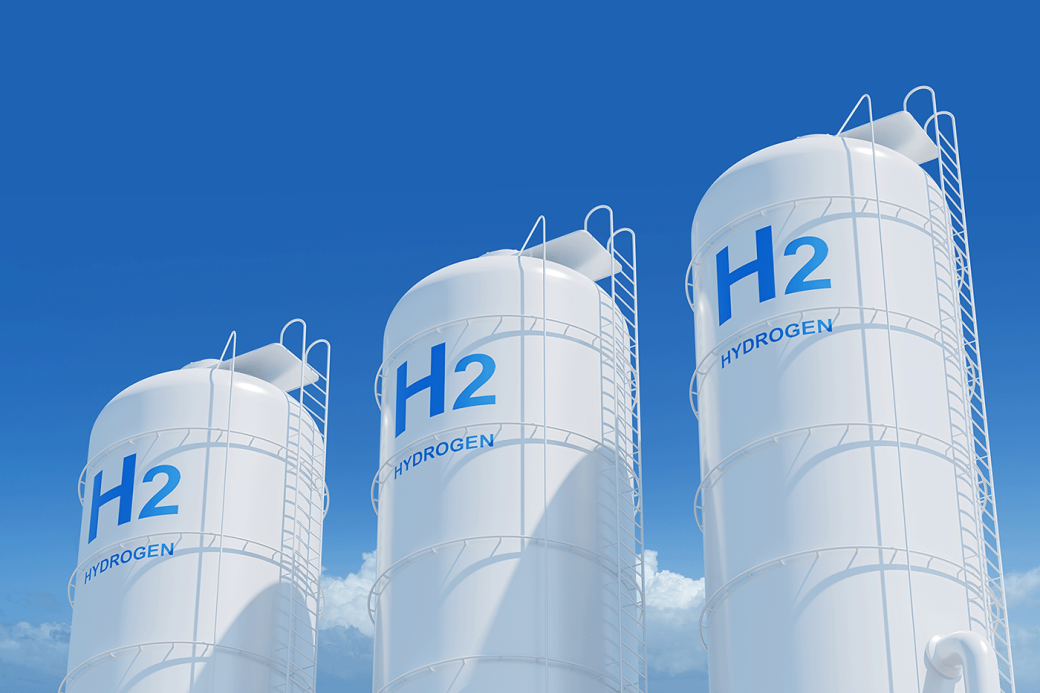
Hydrogen is scaling from pilot projects to industrial deployment. As systems expand, safety challenges shift from isolated risks to system-wide performance risk. Hydrogen behaves differently from conventional fuels. Its wide flammability range, low ignition energy, and high diffusivity make detection, containment, and response more complex in large, interconnected operations.
This article explores how safety evolves as hydrogen production scales. It examines hazards across electrolysis, reforming, and gasification, and shows how recurring incidents are often linked to equipment degradation, procedural gaps, and system integration challenges. It also highlights how intelligent monitoring is changing hydrogen safety, using advanced sensing, automation, digital twins, and predictive analytics to enable earlier detection, faster response, and improved operational reliability.
Inside this article, you will find: